

Predictive maintenance helps manufacturers monitor equipment health, reduce downtime, and make smarter maintenance decisions across Industry 4.0/5.0 environments.
Systems & Technologies
Read more

The five core tools of quality are constituents of a quality system throughout the product lifecycle to achieve successful manufacturing. They are recognized as standard automotive and aerospace quality tools...
Read more
Cloud computing provides the scalable infrastructure that powers modern digital manufacturing, enabling connected systems, advanced analytics, and real-time collaboration across Industry 4.0/5.0 environments.
3D printing, also known as additive manufacturing, is transforming modern manufacturing by enabling faster prototyping, complex geometries, and more efficient material usage across Industry 4.0/5.0 environments.

AS9145: APQP & PPAP Requirements for the Aerospace & Defense Industry AS9145 is a standard specific to the aerospace & defense industry and applies to new product development or existing...
Read more
What is Machine Learning (ML)? Machine learning (ML), a subset of artificial intelligence (AI), is the application of algorithms and statistical models used in advanced computing to perform a specific...
Read more
Location tracking refers to advanced computing technologies that locate, track, and record the movement of people and objects. In Industry 4.0, location tracking technology such as GPS is used to...
Read more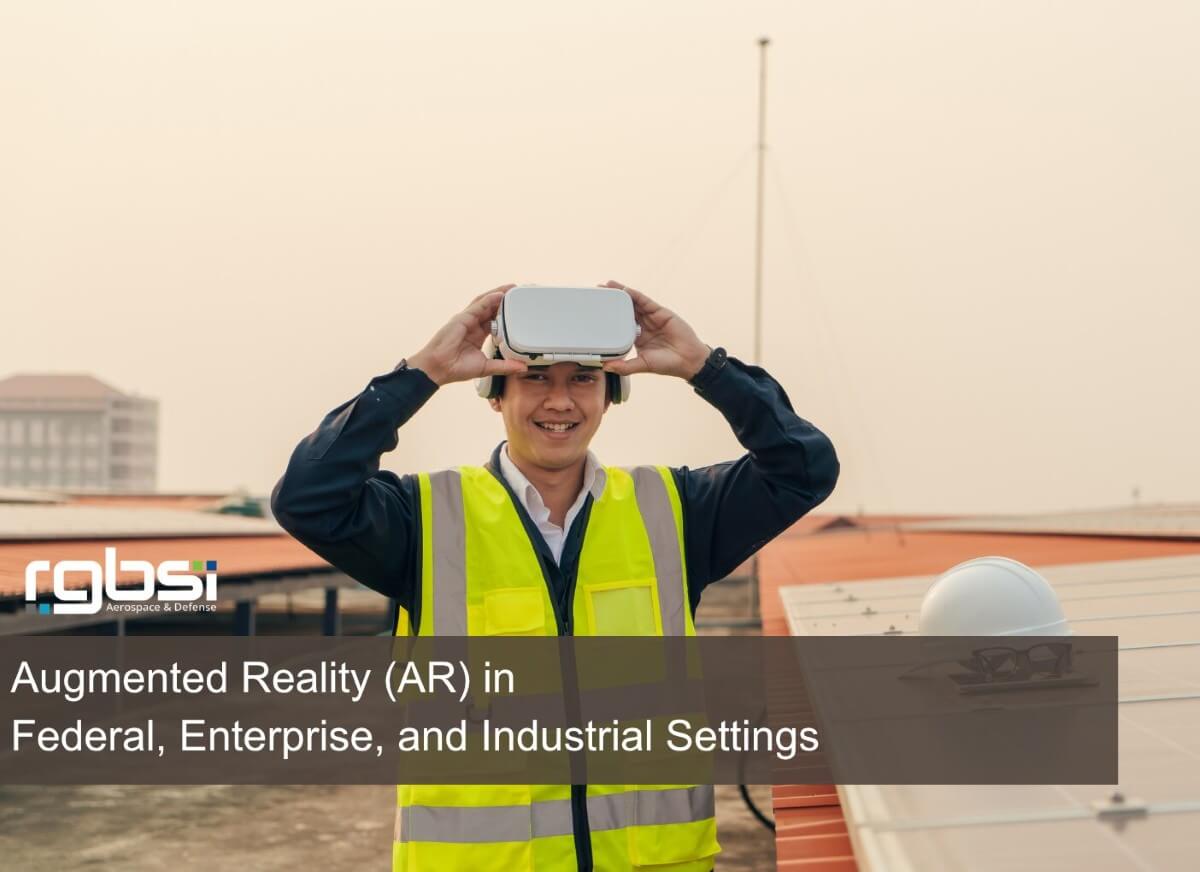
Augmented reality (AR) is transforming industrial operations, training, and defense environments by overlaying digital information onto the physical world in real time.

With the onset of the Fourth Industrial Revolution, or Industry 4.0/5.0, manufacturing companies have been exploring digital technologies from the aerospace and defense industry to transform their business models across...
Read more
Peter Drucker’s famous quote, “Strategy eats culture for breakfast,” has become a common mantra in the business world. Cultural change is especially significant for companies looking to digitally mature through...
Read more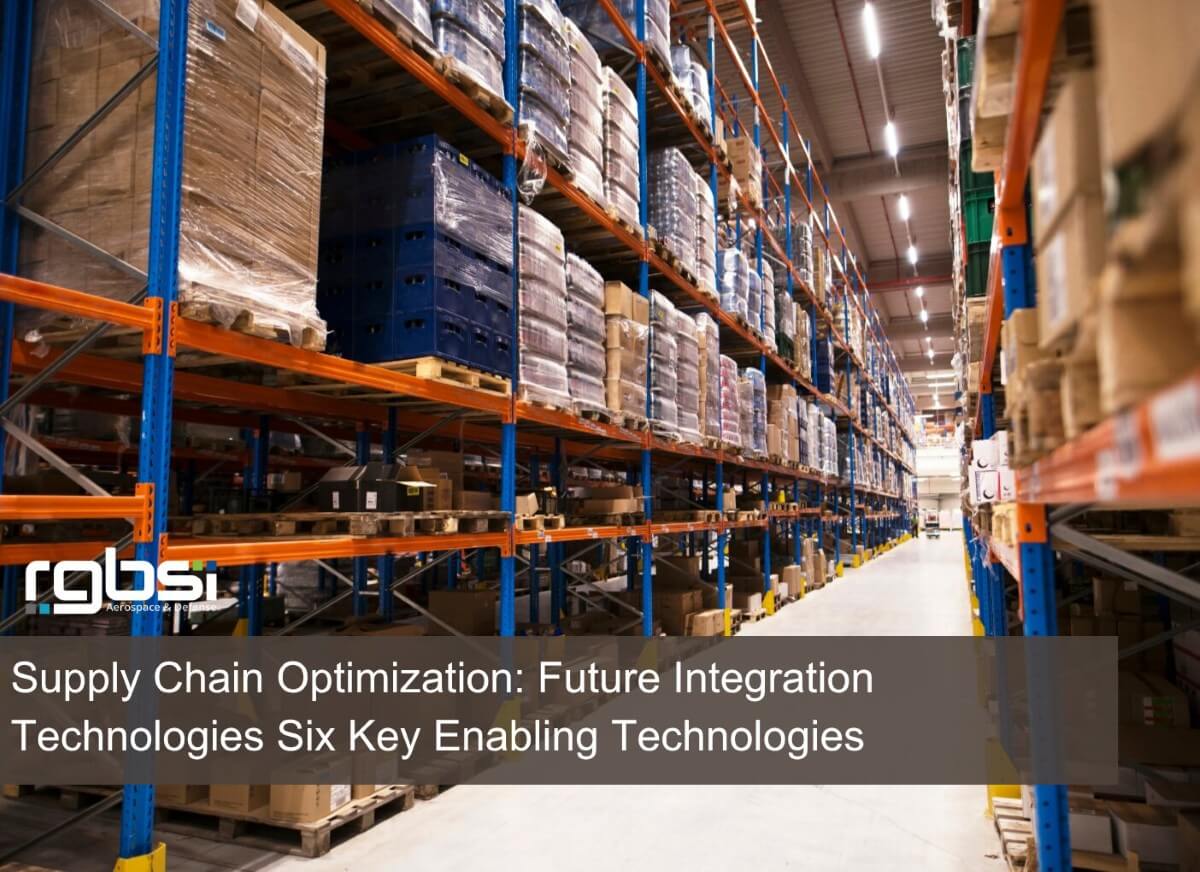
Strategic technological advancements can horizontally and vertically integrate your supply chain. Below are six key enabling technologies shaping the future of supply chain management.
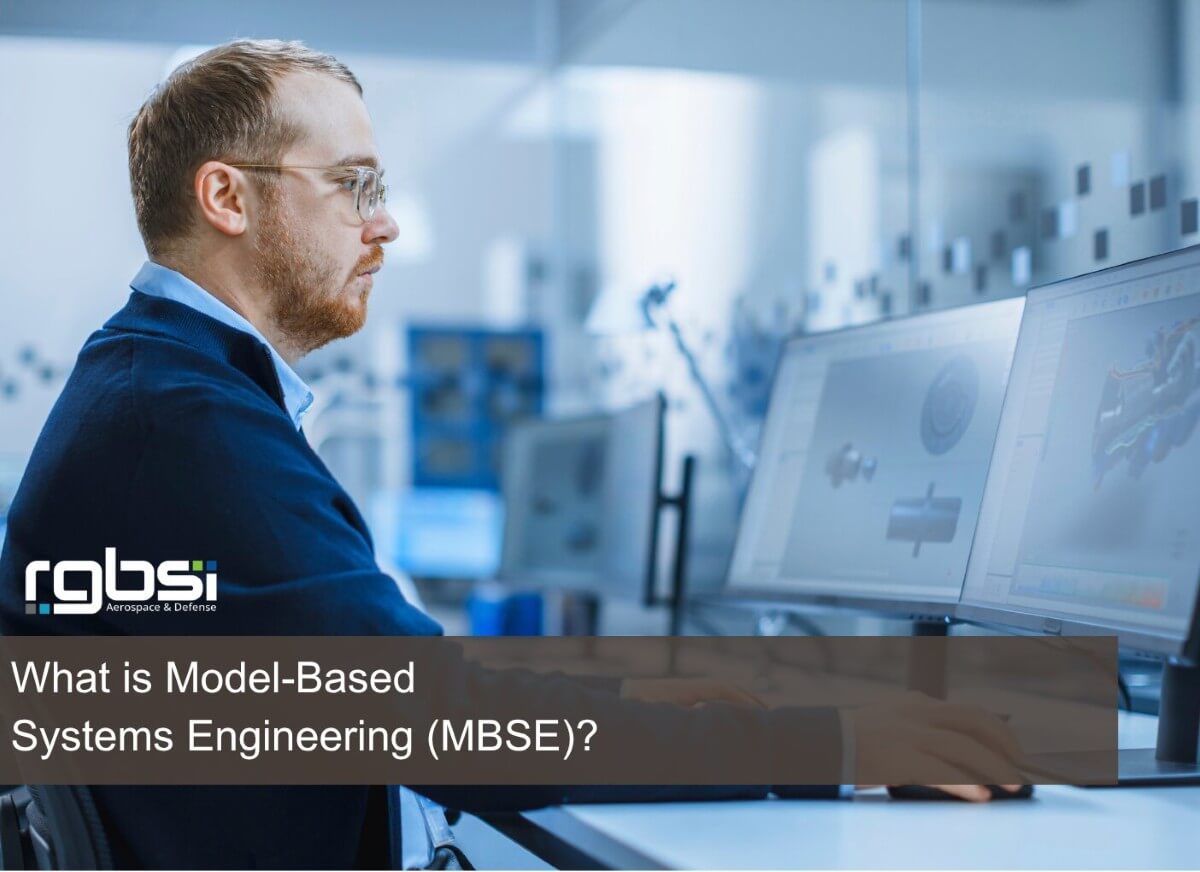
Model-Based Systems Engineering helps organizations move beyond document-centric workflows and toward a more connected, digital approach to systems design, analysis, and lifecycle decision-making.
Your Section Title Here
Your supporting text goes here. Add a short description or call to action message.